Stay Easy: Professional Mold Elimination Services for Your Residence
Mold can pose significant health hazards, impacting respiratory function and skin conditions. Understanding how mold infiltrates homes is essential for homeowners. Expert mold remediation services offer a methodical approach to detect and remove these dangers. They deliver expertise in assessing the extent of the issue and executing effective elimination strategies. However, recognizing the indicators that indicate a need for such services is important. What should homeowners be informed of when it comes to mold remediation?
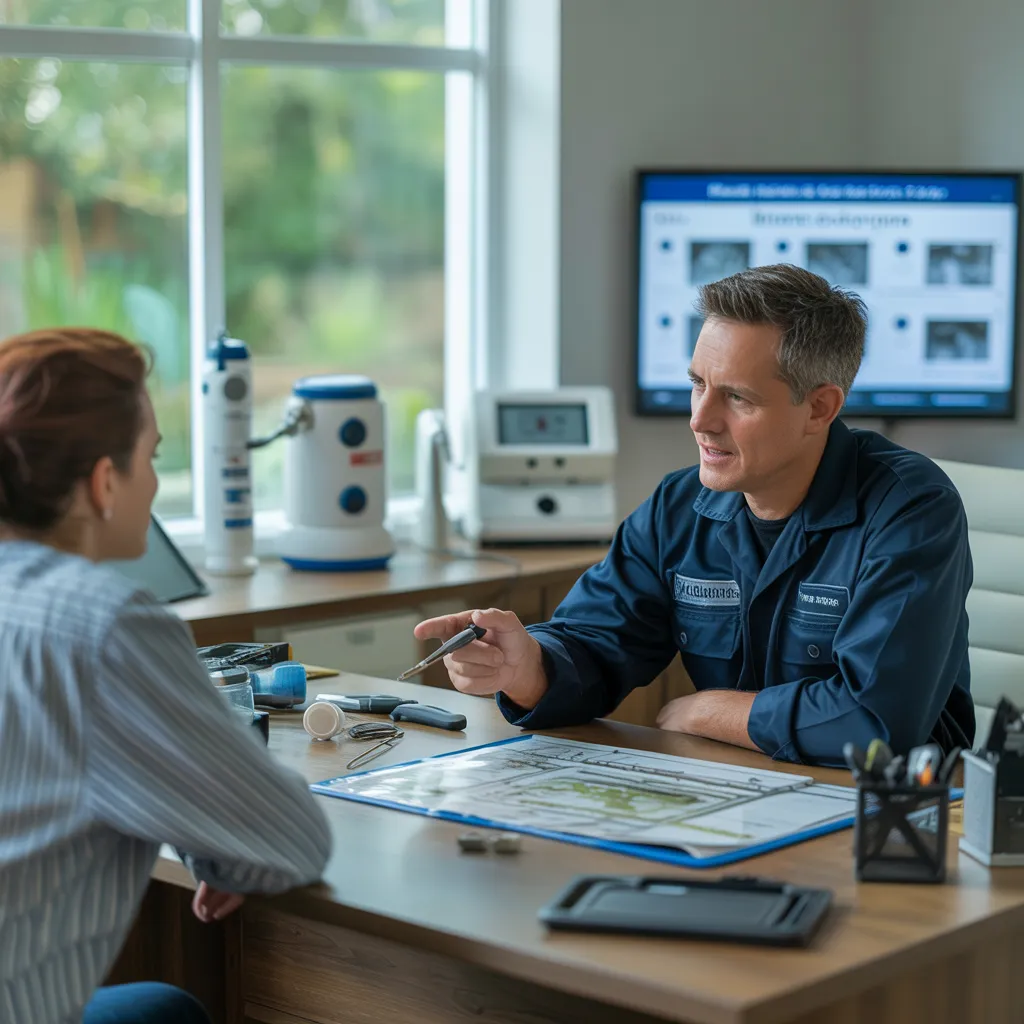
The Way Mold Affects Your Health and Why Treatment Is Critical
Mold has the potential to quietly infiltrate homes and workplaces, causing serious health risks for those inside. This fungus thrives in moist environments and releases spores capable of being inhaled or touching the skin. Individuals exposed to mold may face a wide range of health effects, from respiratory complications and allergic reactions to more dangerous conditions. Symptoms like coughing, sneezing, and skin irritation are frequently reported, especially among people with underlying health conditions such as asthma or impaired immune systems.
Moreover, extended exposure can cause persistent lung conditions and other significant medical issues, amplifying the need for effective mold remediation. Managing mold issues without delay is essential not only for the well-being of residents but also for upholding property value and building stability. Consequently, skilled mold removal experts are crucial in ensuring a secure, sanitary residential setting, minimizing the risks connected with mold exposure.
Signals You Should Engage Professional Mold Remediation
Detecting the signs of mold growth is essential for maintaining a healthy environment. Present mold, chronic musty smells, and a past of water damage are clear indicators that professional remediation might be necessary. Tackling these matters promptly can forestall further complications and maintain overall health.
Visible Fungal Growth
Visible fungal presence commonly serves as a clear signpost that professional mold remediation is necessary. When homeowners observe mold on walls, ceilings, or other surfaces, it signifies an underlying moisture issue that might lead to health risks and structural damage. Mold can present in various colors, including green, black, or white, and often has a fuzzy or slimy texture. Ignoring visible mold can aggravate the problem, permitting spores to spread and complicating removal efforts. Professional mold remediation services possess the expertise to assess the extent of the growth, identify the source of moisture, and apply effective removal methods. Timely intervention is essential to assure a safe and healthy living environment, making professional help an important factor when mold is evident.
Stale Odors Visible
In a home, the existence of musty scents often signals an underlying mold issue, even if no visible growth is seen. These unpleasant smells originate from mold spores and their byproducts, which exist in damp, concealed spots such as behind walls or underneath flooring. Homeowners may neglect these odors as simple annoyances, but they can point to potential health risks, particularly for individuals with allergies or breathing difficulties. Failing to address musty scents may lead to larger mold infestations, complicating later remediation efforts. Hence, when these odors are noticed, it is best to seek professional mold remediation services. Specialists can detect the source of the smell, determine the extent of the problem, and execute effective solutions to restore a healthy living environment.
Harm Record from Water
When a house has a background of water damage, it often acts as a red flag for potential mold growth, even if no visible signs are present. Water penetration can arise from assorted sources, such as leaks, flooding, or failed plumbing. Over time, damp conditions produce an environment where mold spores multiply. Homeowners should be vigilant for signs like past water stains, warped flooring, or peeling paint, which reveal previous moisture issues. Professional mold remediation services are vital in these situations, as they can inspect hidden mold growth and guarantee thorough removal. Ignoring a water damage history can lead to health risks and structural damage, making timely intervention essential for maintaining a safe living environment.
What You Can Anticipate When Getting Mold Remediation
Mold removal solutions typically begin with a thorough evaluation of the affected areas to determine the extent of the problem. Professionals will examine surfaces, moisture levels, and air quality, ensuring a full comprehension of the mold's presence. Following the evaluation, the team will outline a tailored removal strategy that details the required actions to remove the mold successfully.
Once the plan is approved, the remediation process involves isolating the contaminated areas to stop further spread. Technicians use specialized equipment to extract mold and polluted substances safely. After removal, areas are sanitized and processed with antimicrobial solutions to suppress future growth.
Finally, a careful review is conducted to verify that all mold has been removed and that the setting is safe. Homeowners can expect to be given recommendations for moisture control and maintenance practices to mitigate recurrent mold problems, encouraging a healthier living space.
How Specialists Detect and Examine Mold Problems
Professionals detect and evaluate mold issues through a combination of visual examination methods and air quality testing. Visual examinations enable them to pinpoint visible signs of mold, while air quality tests provide vital data on mold spores present in the environment. This dual approach guarantees a comprehensive grasp of the mold issue at hand.
Visual Examination Methods
A comprehensive visual check is vital for reliable identification and evaluation of mold problems in any environment. Specialists begin by reviewing areas susceptible to moisture such as bathrooms, kitchens, and basements. They seek out obvious signs of mold presence, including discoloration on walls, ceilings, and floors. Inspectors also investigate behind furniture and appliances where mold might grow unnoticed. Employing tools like moisture meters, they measure humidity levels, which can signal favorable conditions for mold growth. Furthermore, they frequently assess ventilation systems and inspect for leaks in plumbing and roofs. By performing an thorough assessment, professionals can accurately identify mold sources and determine the level of contamination, providing the basis for successful remediation methods.
Air Quality Assessment
Effective air quality testing is vital in identifying and evaluating mold problems within indoor environments. Trained professionals utilize specialized equipment to collect air samples, which are analyzed for mold spores and other allergens. This process determines both the type and concentration of mold present, providing key insights into potential health risks. In addition, testing can detect hidden mold sources that may not be seen during a conventional inspection. Results from air quality testing direct remediation strategies, ensuring interventions address both visible mold and airborne spores. By properly assessing air quality, professionals enhance indoor safety and well-being, ultimately promoting healthier living environments for occupants.
Important Approaches Professionals Rely On for Effective Mold Eradication
Employing advanced techniques, mold remediation professionals handle infestations with precision and attention. One of the key techniques used is containment, where affected areas are sealed off to avoid spores from traveling during the removal process. Professionals often employ HEPA filters in air purifiers and vacuums to collect microscopic spores effectively.
In addition, technicians may apply biocide treatments discover details on to sanitize and eliminate mold on items. This is complemented by thorough cleaning and extraction of contaminated materials, such as drywall or carpeting. Experts also utilize moisture control techniques, pinpointing and eradicating sources of dampness that promote mold growth.
Thermal imaging and moisture meters are regularly used to pinpoint trapped mold and moisture issues, warranting thorough remediation. Finally, professionals often undertake post-remediation testing to confirm the efficacy of their techniques, ensuring a safer environment for homeowners. These techniques as a whole present a structured approach to efficient mold removal.
How to Prevent Future Mold Development With Mitigation
Once remediation is finished, residents can adopt proactive strategies to avoid additional mold problems. Maintaining ideal indoor humidity levels is vital; ideally, humidity should stay between 30% and 50%. Homeowners should routinely inspect zones susceptible to moisture, such as basements, attics, and bathrooms, ensuring sufficient airflow and addressing any moisture breaches without delay.
Moreover, using dehumidifiers can help control moisture levels in high-humidity environments. Routine upkeep and cleaning of HVAC systems, including air filters, will stop mold spores from circulating throughout the home. Homeowners should also consider using mold-resistant materials during renovations.
Another practical strategy entails maintaining proper airflow by reorganizing furniture and applying fans when necessary. In closing, keeping areas free from moisture and promptly addressing water incidents or moisture formation will further reduce the risk of mold recurrence. By implementing these preventive actions, homeowners can maintain a more wholesome household setting and markedly decrease the risk of ensuing fungal concerns.
What Approach to Take When Choosing a Mold Remediation Service?
How can homeowners ensure they choose the right mold remediation service? First, they should seek companies with proper certifications and permits, ensuring adherence to industry guidelines. Checking reviews and testimonials can provide insight into the service's reputation and effectiveness. Homeowners should also ask about the remediation process, such as the techniques and tools used, to verify it matches with best practices.
Furthermore, obtaining several estimates can help evaluate the market rate and identify any differences in service options. A reputable company will conduct a thorough assessment before providing an estimate. It is essential to verify that the service has a post-remediation inspection to verify the mold has been effectively removed. Finally, homeowners should verify that the company offers a guarantee for their work, offering peace of mind in case of future issues. By adhering to these guidelines, homeowners can determine the best options about mold remediation services.
Regularly Questioned FAQ
How long Does the Mold Remediation Process Typically Take?
The mold removal process generally requires one to five days, based on the extent of the contamination and the scale of the affected area. Elements such as drying time and necessary repairs can influence the schedule.
Will My Insurance Cover Mold Removal Costs?
Insurance protection for mold removal varies by policy and insurer. Typically, it may cover expenses if mold results from a covered peril, like water damage. Policyholders should consult their insurer for specific details concerning policy limits.
What Planning Ought to I Do Before the Remediation Crew Shows Up?
Before the remediation team arrives, the property owner should protect the area, remove personal belongings, document damage present, and guarantee animals are relocated. Preparing the space promotes a more seamless and more streamlined restoration effort.
Do DIY mold remediation Methods function effectively?
DIY mold removal methods can be rather successful for small infestations. However, they often lack the comprehensiveness needed to completely eliminate mold and stop reoccurrence, making expert treatment a more trustworthy option for larger or persistent issues.
Will Mold Return After Expert Restoration?
Yes, mold can reappear after professional remediation if root moisture issues are not addressed. Proper ventilation, humidity control, and regular inspections are crucial to prevent recurrence and maintain a mold-free environment in the home.